Abstract Composition

- Artist: Jessica Dismorr
- Date: c.1915
- Medium: Oil paint on wood
- Dimensions: support: 413 x 508 mm
- Museum: Tate Britain
- Collection record: Tate Britain website
Listen to the free audio guide
About this artwork
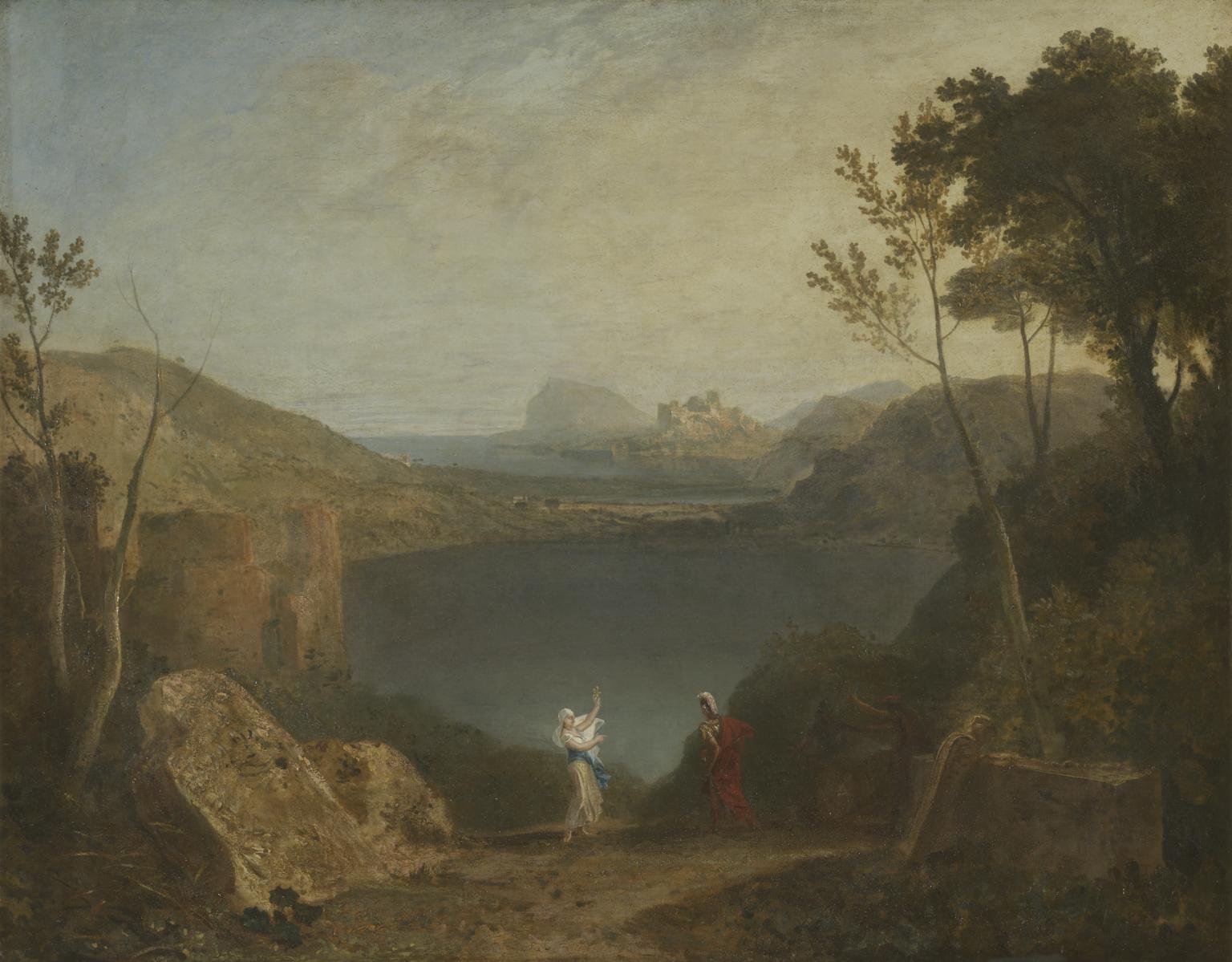
This is the “Abstract Composition” by Jessica Dismorr, painted around 1915. The canvas is oil on wood, about 41 × 50 cm, and it shows a group of pastel‑coloured geometric shapes that feel like arches, piers, and girders thrown against a deep black ground. The central yellow‑triangular prism cuts the picture in two, giving it a clear vertical focus and a sense of depth that pulls the viewer’s eye forward.
Dismorr was a member of the Vorticist group, the avant‑garde that mixed Cubism, Futurism, and a love of the machine age. She was one of the few women in that circle, and her work often highlights the modern city’s architecture, celebrating its form rather than its function. In this painting the simplified shapes float in an undefined space, giving a three‑dimensional quality that sets her style apart from the flatter Vorticist works of her male colleagues.
The composition is also a study in colour contrast—dark background, light shapes, a darker foreground—creating a rhythmic movement across the panel. It was purchased by the museum in 1968, and it remains a vivid snapshot of a period when artists were re‑imagining the urban landscape through abstraction.
See it in person
Abstract Composition is in the collection of Tate Britain on Millbank, London — free to enter. Point your phone at any artwork there and audioguide.london plays a free audio guide in six languages — no app download needed.