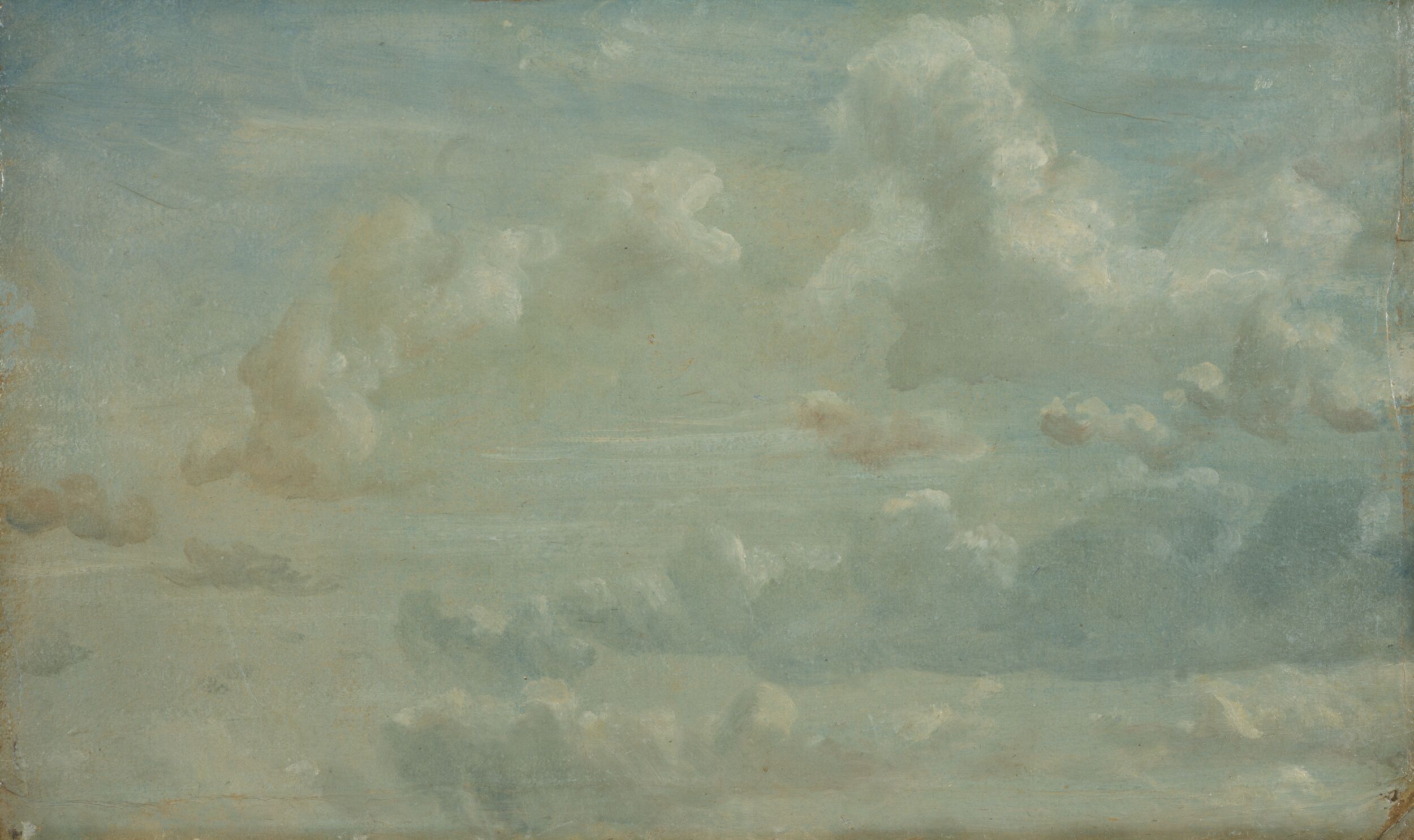
Close-Up II

- Artist: Philip Guston
- Date: 1959
- Medium: oil paint on paper, mounted on board, mounted on masonite
- Museum: The Courtauld Gallery
- Collection record: The Courtauld Gallery website
Listen to the free audio guide
About this artwork
This is the "Close‑Up II" by Philip Guston, painted in 1959. Guston, a key name in American Abstract Expressionism of the 1950s, often turned to smaller formats to chase spontaneity. In this piece he uses thick layers of oil paint on paper, then mounts the paper on board and masonite, giving the work a subtle, almost tactile weight.
What jumps out first is the clash between the rough, blocky forms of colour and the vast, formless gray background. The blocks seem almost like they’re trying to hold each other together, but that connection feels deliberate—just barely enough to stay united. It’s a visual tension that keeps your eye moving back and forth. The title, “Close‑Up II,” invites you to focus in, suggesting that perhaps this is a fragment of a larger scheme, or simply a call to notice the details in the brushwork and the subtle shifts of hue.
Guston’s technique here—rapid, almost sketch‑like strokes that become solid, chunky masses—shows how he could balance the immediacy of expression with the solidity of form. It’s a striking example of how a small canvas can carry the same dynamic push and pull that his larger works do.
See it in person
Close-Up II hangs in The Courtauld Gallery at Somerset House, London. Point your phone at any artwork there and audioguide.london plays a free audio guide in six languages — no app download needed.